

Conventional medicine
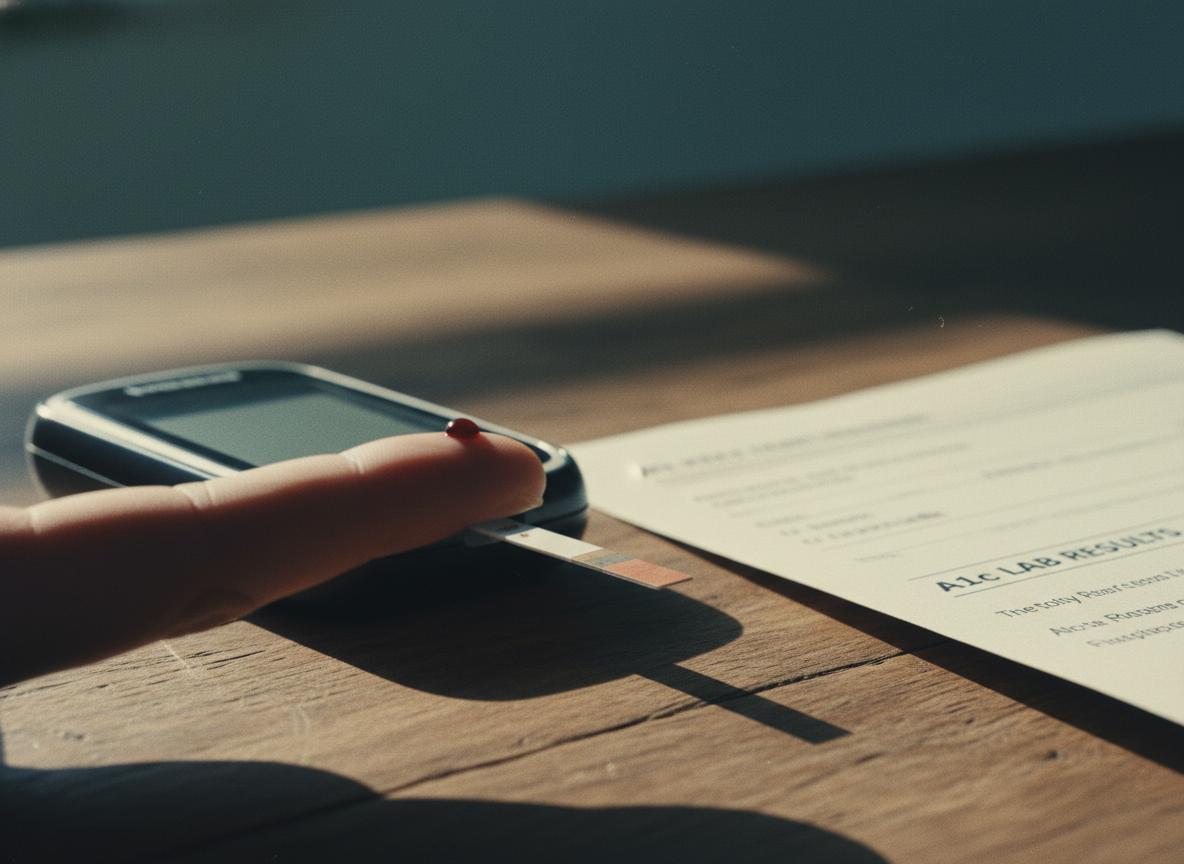
Type 2 diabetes is diagnosed, staged, and treated against A1c targets. Standard-of-care meds (metformin, GLP-1s, SGLT2s, insulin) have strong outcome data for heart, kidney, and eye complications.
Metabolic / lifestyle
Type 2 diabetes is largely a disease of insulin resistance, body composition, and food environment. The lifestyle track aims at remission or major dose-reduction, alongside meds, not instead of them, and never without a clinician on board.
Confirm with two of: fasting glucose ≥126, A1c ≥6.5, or OGTT ≥200. Baseline CMP, lipids, urine albumin, foot exam, dilated eye referral. Stage as prediabetes / T2DM.
Never stop insulin, sulfonylureas, or SGLT2s without supervision, hypoglycemia and DKA risk. Tell your prescriber you’re changing diet so doses get adjusted. This page is for adjunct lifestyle work, not replacement of care.
Metformin titrated to 1,000-2,000 mg / day. Add GLP-1 (semaglutide, tirzepatide) for A1c >8 or BMI ≥27. SGLT2 if CKD or CVD. Statin per ASCVD score. ACE inhibitor if microalbuminuria.
Cut liquid sugar and ultra-processed carbs first. Build meals around 30-40 g protein + non-starchy vegetables + healthy fat. Many do well with <100 g carb / day; some go lower-carb / ketogenic under supervision.
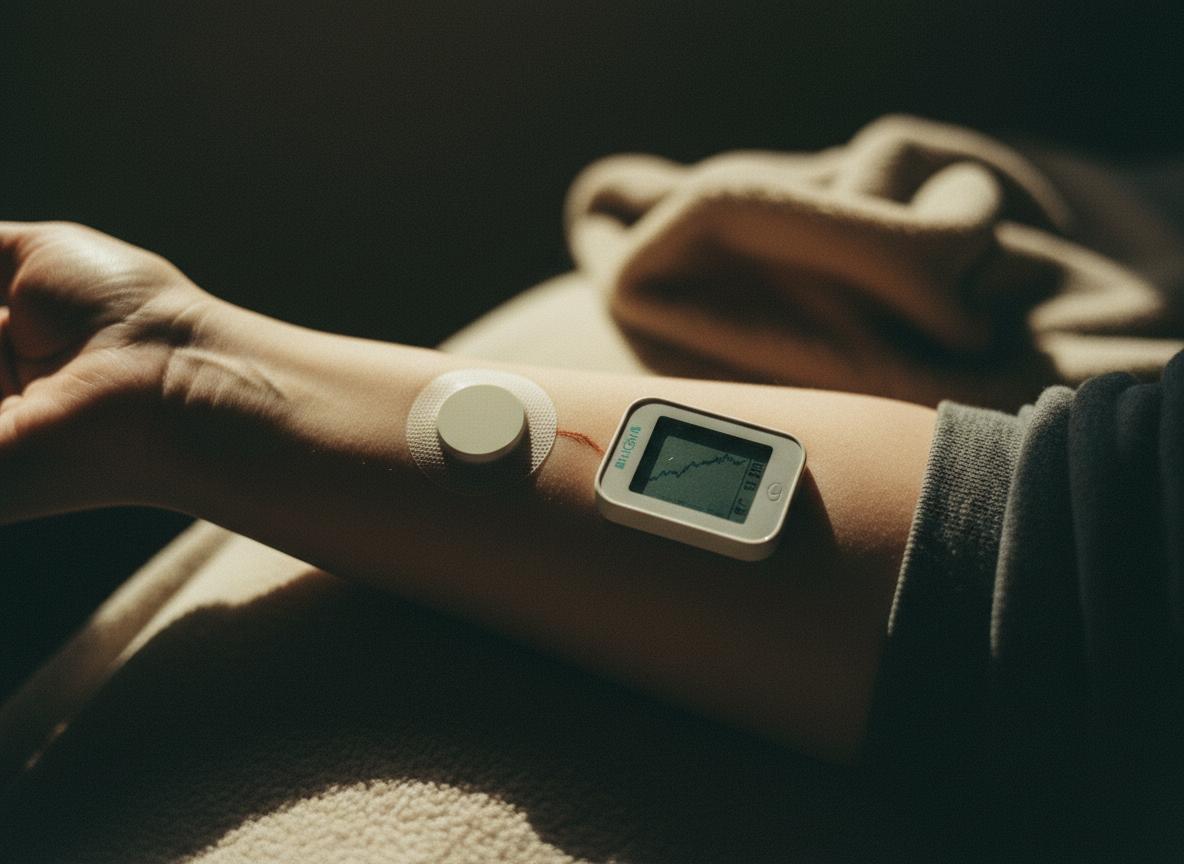
Continuous glucose monitor (Dexcom, Libre) for 2-4 weeks, then ongoing for insulin users. Otherwise fingerstick fasting + post-meal. Targets: fasting 80-130, 2-hr postprandial <180.
10-20 min walk after each main meal (the highest-leverage glucose intervention there is). 3 × 30-45 min Zone-2 cardio / wk. Build to 7-10k steps daily.
A1c every 3 mo. Stack therapy if >7%: add basal insulin, switch / add GLP-1. Annual: dilated eye exam, foot exam, urine albumin, lipids. Cardiology if ASCVD.
2-3 × wk full-body strength training. Muscle is the largest glucose sink in the body. Aim for 5-10% bodyweight loss if BMI ≥27, the single strongest predictor of remission.
A1c · 2-4 × yr. Annual complication screen. Vaccines (flu, pneumococcal, RSV, shingles, hepatitis B). Mental-health check, diabetes-related distress is common and undertreated.
Sleep 7-9 hr, short sleep alone raises insulin resistance ~25%. Stress / cortisol management. Use CGM data to see your personal trigger foods. Re-check A1c every 3 mo.
Every step has a price.
Here’s what we found.
Cash-pay quotes verified with Austin clinics. A tile with a price opens that procedure’s full provider list, phone numbers and last-verified dates — the rest are steps we haven’t priced in Austin yet.



Who built
track B.
All four sources are MDs or DOs. Track B is the lifestyle scaffolding to run alongside your prescribing clinician, dose adjustments stay with them.
T2DM is a disease of hyperinsulinemia. Carb restriction + time-restricted eating drive remission, not just A1c.

Walk after meals + strength training are the highest-leverage non-pharma interventions for insulin sensitivity.
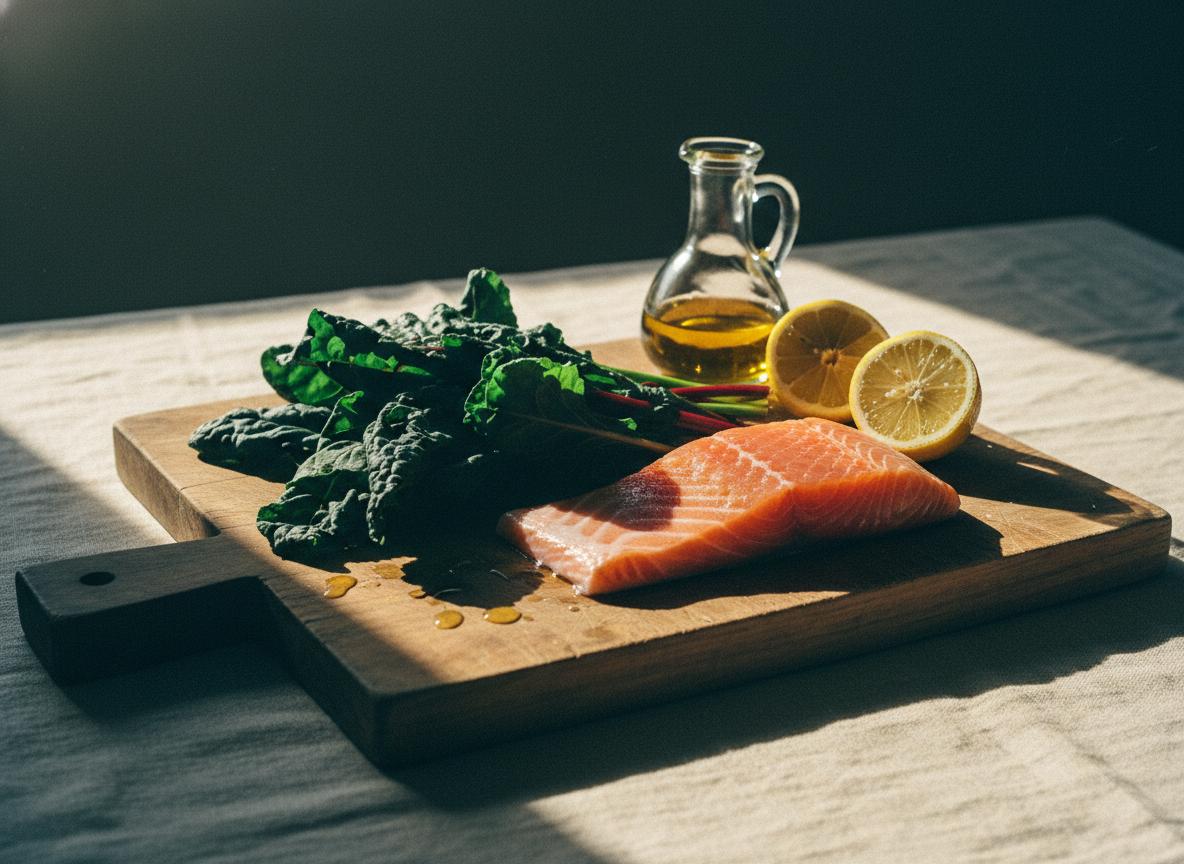
Ultra-processed food is the engine of the T2DM epidemic. Food quality first, macros second.
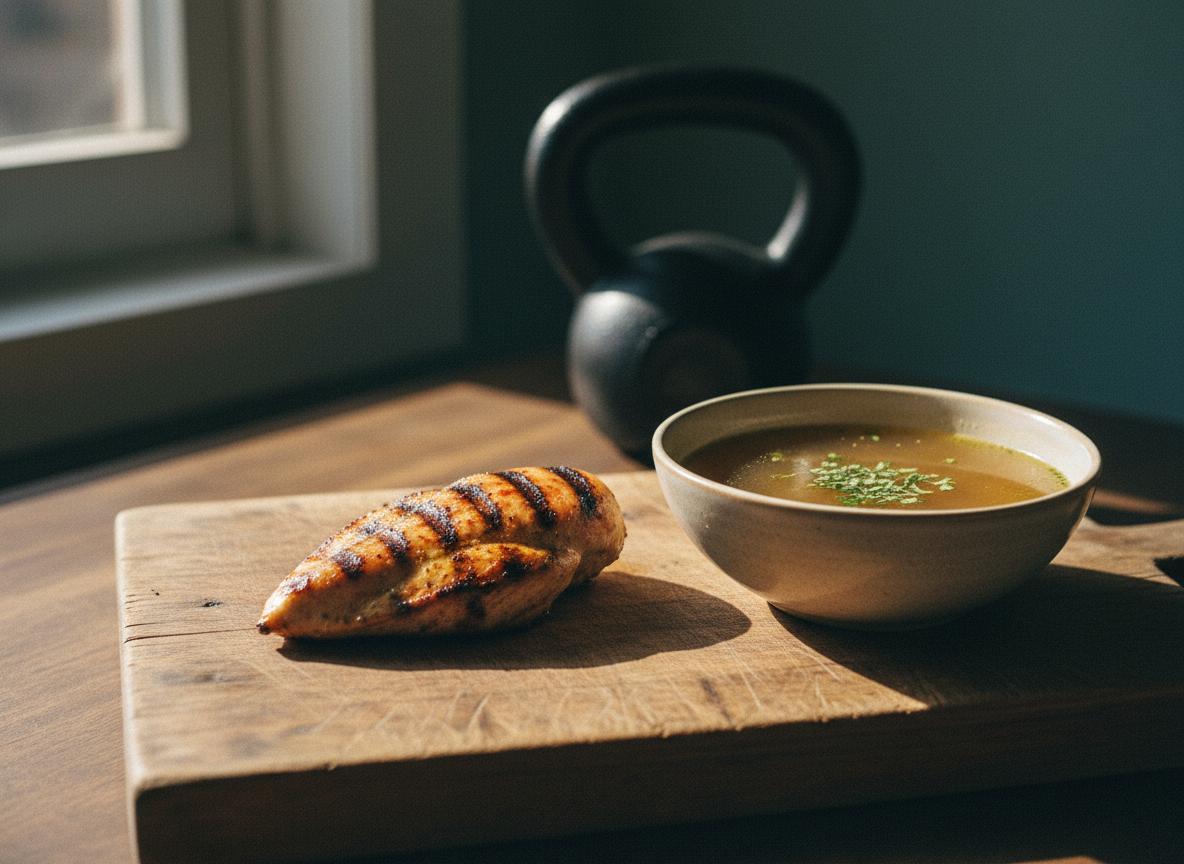
Muscle is the organ of longevity. Protein floor + resistance training is non-negotiable for metabolic health.
- ADA Standards of Care 2026Guidelines
- UKPDS / DCCT long-term follow-upRCT cohort
- AACE Comprehensive AlgorithmSpecialty body
- DiRECT trial · dietary remission of T2DMRCT
- Virta Health · 5-yr remission cohortClinical cohort
- Dr. Jason Fung · The Diabetes CodeNephrologist · author
- Dr. Peter Attia · OutliveMD · author