
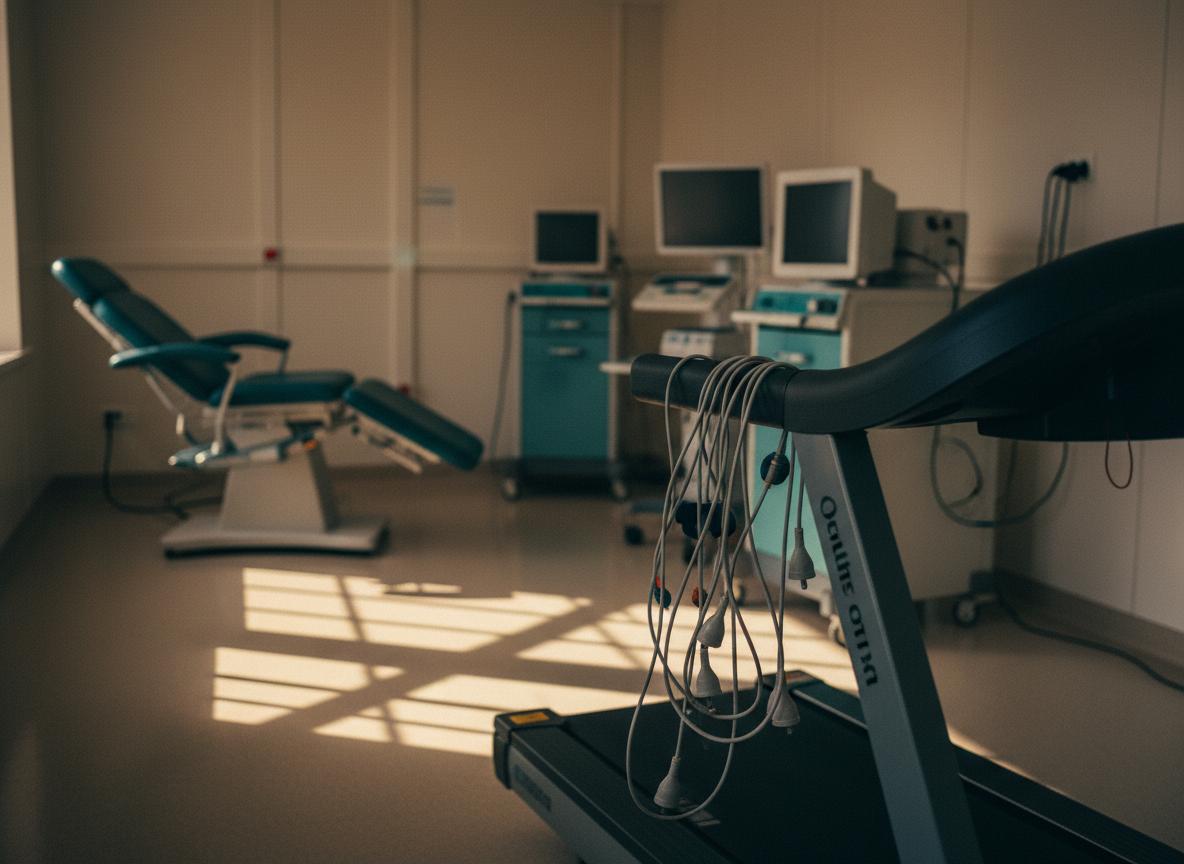


Conventional medicine
Chest tightness is cardiac until proven otherwise. Rule out ACS, then work down: pulmonary, GI, MSK, anxiety. Imaging and stress testing close the loop.
Breath-first / nervous system
Once cardiac is cleared, most chronic chest tightness traces to over-breathing, shallow apical patterns, anxious sympathetic tone, or thoracic mobility. The fix is mechanical and neural, not pharmacological.
Crushing pain, radiation to arm/jaw, sweating, dyspnea, syncope, or known CAD → call 911. Otherwise: ECG, vitals, history, exam.
Holistic work starts AFTER ECG and cardiac risk assessment. New, exertional, or radiating pain → ER. This track only applies to cleared, recurrent, non-cardiac tightness.
12-lead ECG, troponin x 1-3 if recent symptoms, lipid panel, TSH, CBC. Rule out ischemia, arrhythmia, electrolyte.
BOLT score (breath-hold tolerance). Nasal-only breathing 24/7. Mouth tape at night. Cap exhale length 2x inhale. Identify hyperventilation or paradoxical breathing.
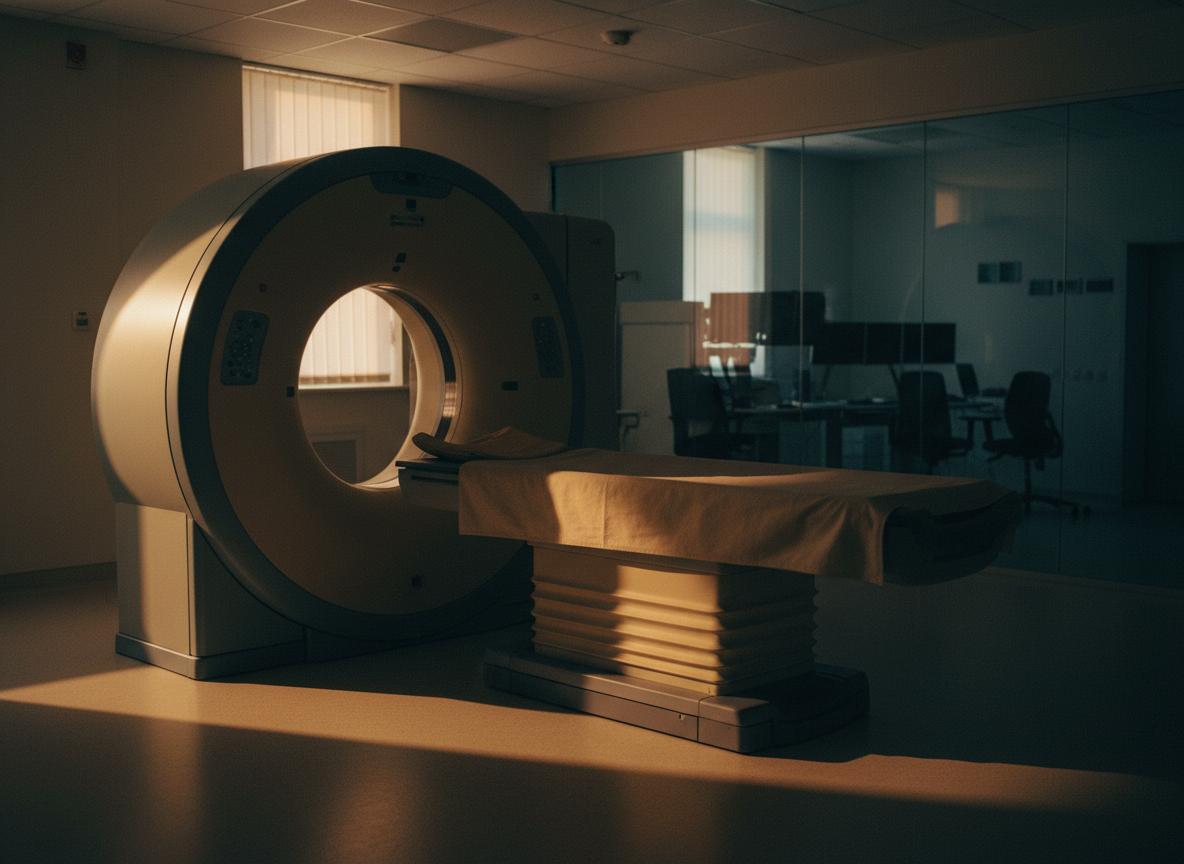
Treadmill ECG (if can exercise), or stress echo / nuclear if not. Coronary CT angiography (CCTA) for moderate-risk; calcium score for low-risk.
90-90 breathing, crocodile breathing, ribcage mobility. Slouch / forward-head correction. Train diaphragm vs accessory muscle dominance.
Review tests, optimize statins / BP / antiplatelets. Holter or event monitor if arrhythmia suspected. Address risk factors.
Physiological sigh (2 inhales + long exhale) for acute episodes. Daily cold exposure, humming, gargling. CO2 tolerance work (Buteyko-style).
Diagnostic cath if non-invasive testing positive or high-risk. PCI with stent for obstructive lesions; CABG for multi-vessel disease.
Nasal breathing always. 5 min slow breath daily (5.5 br/min). Mouth tape at night. Weekly BOLT check. Cold exposure 2-3x / wk. Walk 8k+.
Every step has a price.
Here’s what we found.
Cash-pay quotes verified with Austin clinics. A tile with a price opens that procedure’s full provider list, phone numbers and last-verified dates — the rest are steps we haven’t priced in Austin yet.



Who built
track B.
Consolidated from breath researchers and practitioners. Use only AFTER cardiac and pulmonary causes are ruled out.

"Mouth-breathing is a slow-motion disease." Nose-only, slow exhales, mouth tape at night.

BOLT score + CO2 tolerance training reduces breathlessness, anxiety, exercise-induced tightness.

Physiological sigh is the fastest known way to down-regulate stress in real time. Two inhales, long exhale.
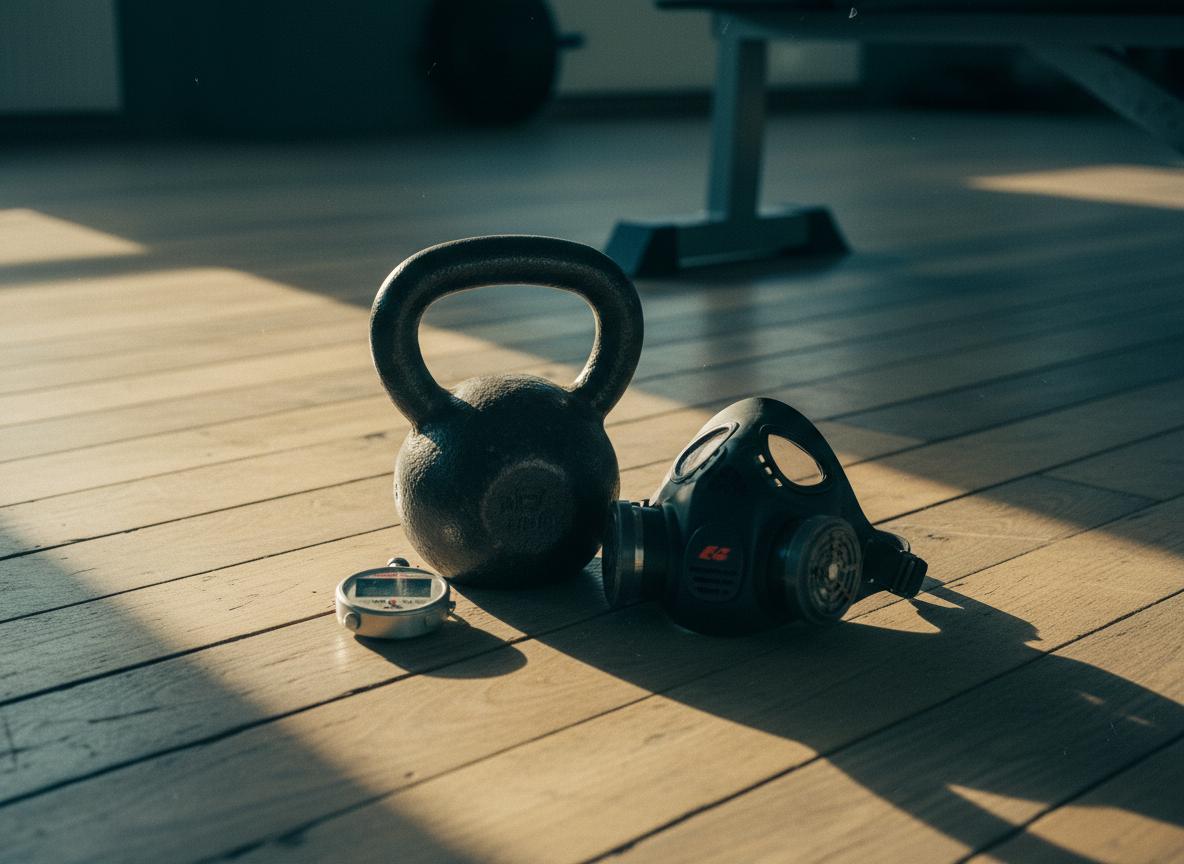
CO2 tolerance is trainable. Most chronic chest tightness is over-breathing in disguise.
- AHA / ACC Chest Pain Guideline 2021Specialty body
- JAMA · CCTA vs functional stressRCT
- Cochrane · Beta-blockers post-MISystematic review
- James Nestor · "Breath"Author / journalist
- Patrick McKeown · Oxygen AdvantageButeyko practitioner
- Brian Mackenzie · Shift AdaptBreath coach
- Andrew Huberman · Huberman LabStanford neuroscientist